
wadewlv7134299
About wadewlv7134299
Modafinil: A Comprehensive Study on Its Use, Benefits, and Market Availability
Modafinil, a wakefulness-promoting agent, has garnered significant attention in both medical and non-medical circles since its introduction. Should you have almost any concerns about where as well as the way to work with buy modafinil online best site (https://buymodaonline.net/), you’ll be able to email us with our web site. Initially developed to treat narcolepsy, it has been found to have various off-label uses, including enhancing cognitive function, improving alertness, and combating fatigue. This report delves into the pharmacological properties of modafinil, its therapeutic applications, potential side effects, and the current market landscape surrounding its sale.
Pharmacological Properties
Modafinil, chemically known as (±)-2-[(diphenylmethyl)sulfinyl]acetamide, is classified as a eugeroic agent. Unlike traditional stimulants such as amphetamines, modafinil operates through a unique mechanism of action that is not fully understood. It is believed to enhance wakefulness by increasing the availability of neurotransmitters like dopamine and norepinephrine in the brain, which play crucial roles in attention and alertness.
The drug is typically administered in a single oral dose ranging from 100 mg to 200 mg. Its pharmacokinetics reveal a peak plasma concentration achieved within 2 to 4 hours post-ingestion, with a half-life of approximately 12 to 15 hours. This extended duration of action makes modafinil an attractive option for individuals seeking to maintain wakefulness over prolonged periods.
Therapeutic Applications
Modafinil is primarily indicated for the treatment of:
- Narcolepsy: A chronic sleep disorder characterized by excessive daytime sleepiness, modafinil has been shown to significantly reduce sleepiness in affected individuals.
- Obstructive Sleep Apnea: Patients with this condition often experience excessive daytime sleepiness due to interrupted sleep patterns. Modafinil can help alleviate this symptom, although it is not a primary treatment for the underlying causes of sleep apnea.
- Shift Work Sleep Disorder: For individuals who work non-traditional hours, modafinil can help counteract the sleepiness that results from working night shifts or irregular schedules.
- Cognitive Enhancement: While not officially approved for this purpose, modafinil is increasingly used off-label by healthy individuals seeking to improve cognitive function, memory retention, and focus. Studies suggest that it may enhance executive functions, particularly in individuals who are sleep-deprived.
Potential Side Effects
Despite its therapeutic benefits, modafinil is not without side effects. Commonly reported adverse effects include:
- Headaches
- Nausea
- Anxiety
- Insomnia
- Dizziness
Serious but rare side effects can include skin rashes, allergic reactions, and cardiovascular issues. Due to the potential for serious skin reactions, patients are advised to discontinue use immediately if they experience any signs of rash or hypersensitivity.
Market Availability
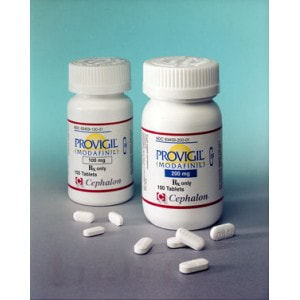
Modafinil is available under various brand names, including Provigil (the original formulation), Alertec, and Modavigil. In many countries, it is classified as a prescription medication due to its potential for misuse and side effects. However, the regulatory landscape varies significantly across regions:
- United States: Modafinil is classified as a Schedule IV controlled substance, meaning it is available by prescription but is subject to regulation to prevent misuse.
- European Union: The drug is also available by prescription, with varying regulations among member states. In some countries, it may be prescribed for off-label uses such as cognitive enhancement.
- Canada: Similar to the U.S., modafinil is a prescription medication, and its use is monitored closely.
- Asia and Other Regions: In some countries, modafinil can be purchased over the counter, leading to concerns about misuse and the lack of medical oversight.
Ethical Considerations and Misuse
The increasing popularity of modafinil as a cognitive enhancer has raised ethical questions regarding its use among healthy individuals. While proponents argue that it can lead to improved performance and productivity, critics caution against the potential for dependency, the normalization of drug use for enhancement, and the unfair advantages it may confer in competitive environments, such as academia and the workplace.
Conclusion
Modafinil is a powerful wakefulness-promoting agent with established therapeutic uses and a growing reputation as a cognitive enhancer. While it offers significant benefits for individuals suffering from sleep disorders, its off-label use raises important ethical and regulatory questions. As the market for modafinil continues to expand, it is crucial for healthcare providers, patients, and regulatory bodies to navigate the complexities of its use responsibly. Ongoing research into its long-term effects and potential applications will further illuminate the role modafinil may play in both medical and non-medical contexts.
No listing found.