
eulamichalski
About eulamichalski
The World’s Worst Recommendation On Landlord
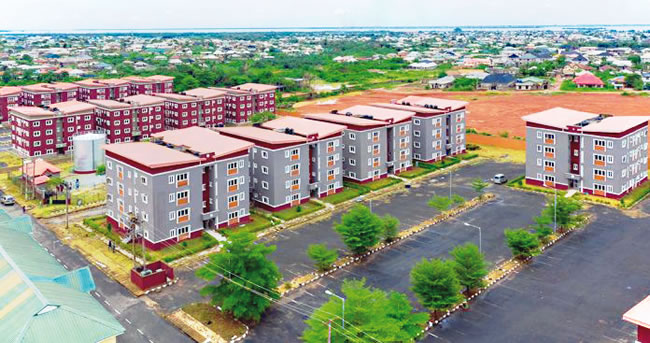 There is a version of the housing market story that gets told over and over, and it goes like this: prices are high, rates are high, nothing is affordable, and the only people buying are the ones with cash. That version is not wrong, exactly. It is just incomplete.
 Home prices at the national level have remained well above their pre-pandemic levels even as sales volume collapsed. The reason is supply. Homeowners who locked in three percent mortgages in 2020 and 2021 have almost no incentive to sell, which means the correction that many analysts were expecting simply did not materialize the way the data suggested it should.
Affordability, by the standard measure of what share of median household income goes toward the monthly payment on a median-priced home, is near its worst level since the early 1980s. That is a real problem, and it is not going away quickly. But affordability being stretched does not mean prices are about to fall sharply. What it means, practically, is that fewer people can compete for each property.
 Shop at least three lenders before you commit to one. A seemingly small rate difference adds up to real money that most buyers leave on the table by taking the first offer they receive. Lender fees vary too. Request itemized fee schedules so you can compare apples to apples.
If the report surfaces significant deferred maintenance or structural issues, you have three options, not one, and walking away is a legitimate one of them. You can ask the seller to repair specific items before closing. Signing off on a failing roof or a bad HVAC system is not the same house you made an offer on.
 A seller with a specific need will sometimes take less money from a buyer who gives them what they actually want. A longer closing window, a shorter inspection period, a larger earnest money deposit, or willingness to do a rent-back period can all tip a deal in your favor without you spending an extra dollar on the purchase price.
 The timing question, whether to buy now or wait for prices to pull back, is the one that trips up more buyers than any other single factor. No one consistently times the real estate market. The more useful question is not whether now is the right time in the abstract; it is whether the home works for your actual life for the next five to seven years.
Real estate rewards preparation more than it rewards timing. The market does not wait for the ideal moment, and neither should buyers who have done the work. Start by browsing current homes for sale and market resources to build a realistic picture of your options.
No listing found.