
adriandeshotel
About adriandeshotel
9 Reasons Abraham Lincoln Would Be Great At Bedroom
 Every few years the housing market rewrites the rules, and buyers who learned the last set of rules show up unprepared for the new ones. Right now, the rules have changed more than they have at any point in a generation. The buyers who understand that are finding deals. The ones who do not are making expensive mistakes.
Home prices at the national level have stayed stubbornly high even as financing costs doubled in under two years. The reason is supply. Homeowners who locked in three percent mortgages in 2020 and 2021 have almost no incentive to sell, which means the correction that many analysts were expecting simply did not materialize the way the data suggested it should.
Here is what that creates for someone who has done the work before they start looking: less competition than you would have faced in 2021 or 2022. The panic buyers are gone. The buyers who showed up with emotion instead of analysis have mostly sat back down. What remains is a more functional market, even if it is not a cheap one.
Shop more than one institution, because the spread in rates and costs is real. A seemingly small rate difference adds up to around twenty thousand dollars over a thirty-year loan on a four hundred thousand dollar mortgage. Lender fees vary too. Ask each lender for a Loan Estimate document, which breaks down all costs in a standardized format.
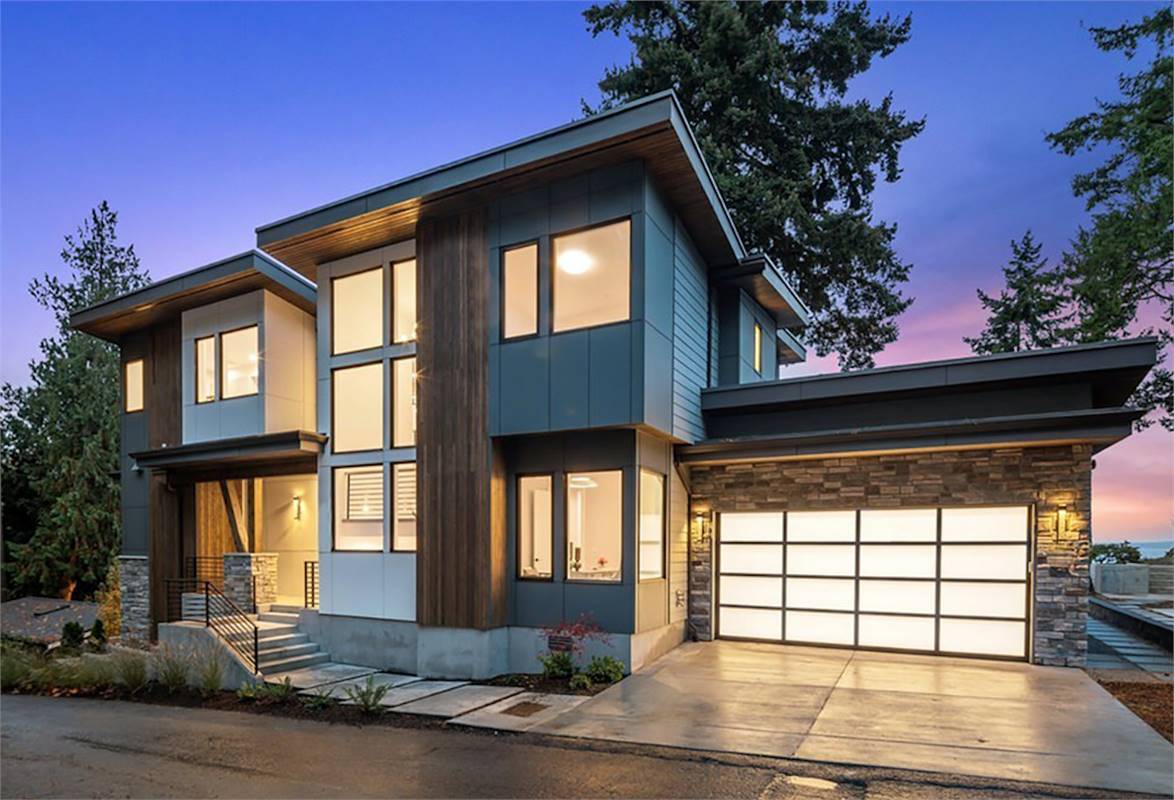 The appraisal is the lender’s check, not yours. If the home appraises below the contract price, the lender will only finance against the appraised value. Ask your agent how common appraisal gaps have been in your target price range and neighborhood.
Budget between two and five percent depending on your loan type and the state you are buying in. First-time buyers often do not see the full closing cost picture until the Closing Disclosure arrives three days before settlement. Ask your lender for a Loan Estimate before you make any offers, so you can plan your cash position accurately.
 Real estate is illiquid. If there is a reasonable chance you will need to move in two years, renting is the financially rational choice. None of that means do not buy. It means be honest about your time horizon before you commit.
Real estate rewards preparation more than it rewards timing. Waiting for a better market is a reasonable position only if your personal situation supports it, otherwise you are just paying rent while prices hold. A look at real estate listings and pricing data in your target area costs nothing and tells you a great deal.
No listing found.